
Product example
Agricultural Equipment Drive Components
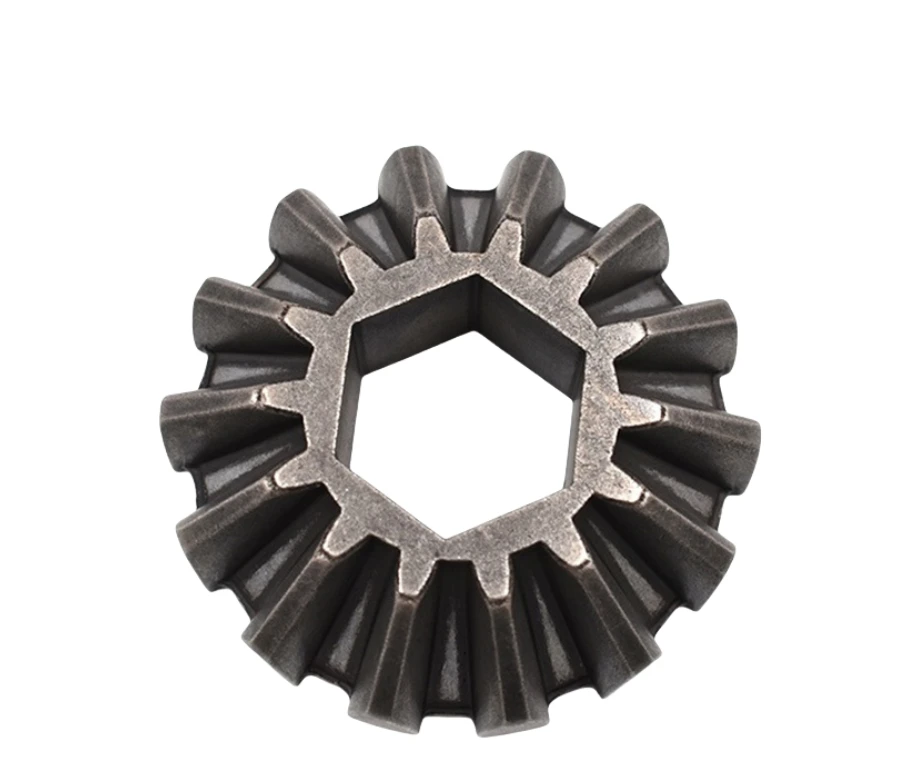
A gear-shaped agricultural machinery reference with a shaped central opening. Review mating geometry, duty and material requirements.
Custom OEM metal components are parts that do not fit a standard category — agricultural equipment drive parts, personal-care hardware, custom structural links and mechanisms that span several applications. SINTS reviews these from the drawing, comparing metal injection molding (MIM), powder metallurgy (PM), gear manufacturing, machining and hybrid routes before recommending any of them.
A gear-shaped agricultural machinery reference with a shaped central opening. Review mating geometry, duty and material requirements.
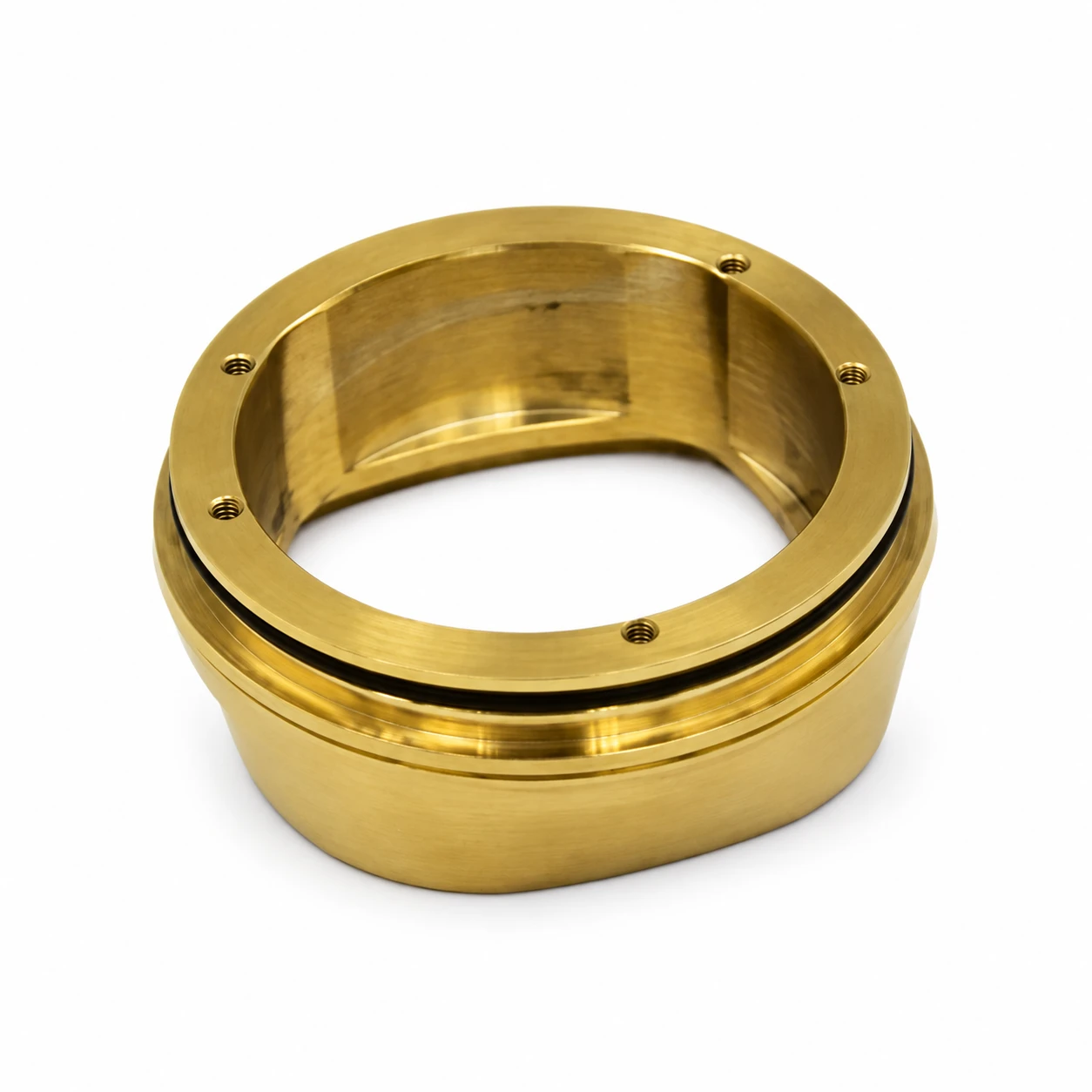
A ring-shaped hardware reference with an exterior finish. Define its locating surfaces, attachment and appearance requirements.
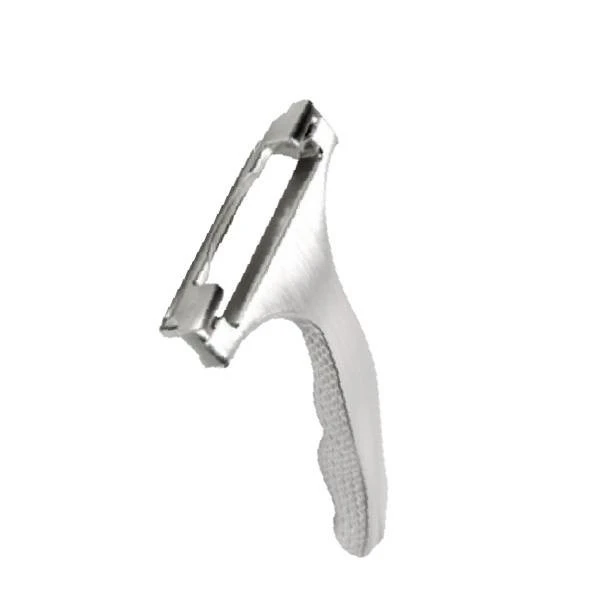
A shaped handle with grip and connection features. Separate appearance, grip surfaces and the head attachment in the specification.
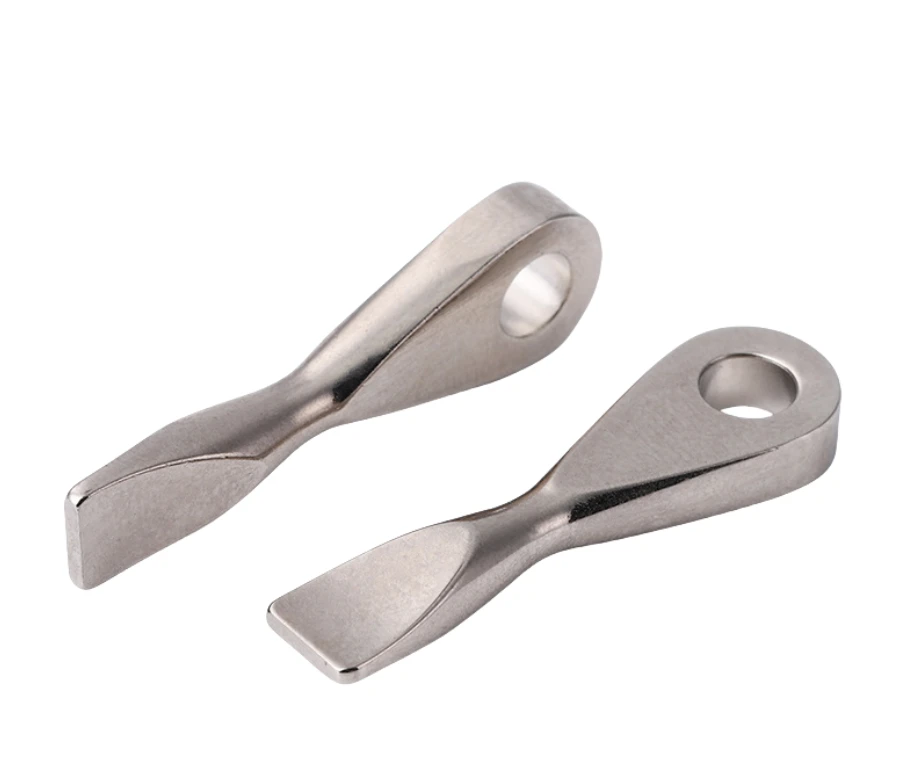
Paired structural forms with eyes and shaped ends. The drawing should identify the load path, holes and mating contacts.
Examples from the SINTS product catalog, shown for component identification. These are custom parts, not stock specifications. Dimensions, material, supply scope and acceptance requirements are confirmed from your project drawing.
Explore each component in detail, including its interfaces, manufacturing review and drawing requirements.
The handle reference combines an exterior grip with an attachment feature. Mark the visible surfaces and the interfaces to the head, and provide finish expectations. A drawing review can compare how to form the body while retaining the necessary finishing of critical features.
The agricultural and structural examples represent different shapes and uses, not a shared specification. State what the part does, how it mounts and which dimensions control its function. Standard and specialty material requests are reviewed individually for the proposed route.
The part drawing and its assembly determine the manufacturing route and the inspection plan.
Drawing revision, 3D model, datums, critical dimensions and mating components.
Required material properties, operating conditions and any special material request.
Appearance, coating, contact surfaces and fits in the final condition.
Prototype needs, expected quantities, inspection records and packaging.
Custom OEM metal components are parts built to a customer drawing rather than to a standard category. These answers cover how the manufacturing route is chosen, what materials can be considered and how to start.
It is a part defined by your drawing rather than by a catalogue entry — a drive component for a specific machine, a personal-care fitting, a structural link or a mechanism part that belongs to one program. The distinction matters because the review starts from function and interfaces rather than from an existing example, and the process route is chosen afterwards.
By comparing the part's geometry, material, annual volume, critical interfaces and finishing needs rather than by promoting one process. Near-net shaping is worth evaluating when the geometry has complexity that would otherwise require several operations and the volume supports tooling; machining remains the reference when volume is low, accuracy is extreme or the design may still change. Hybrid routes are common when a functional surface has to be finished after forming.
Stainless steel grades including 316L, low-alloy and sinter-hardening steels, soft-magnetic alloys and other powder-metallurgy material families can be reviewed depending on the required strength, corrosion resistance, wear behaviour and magnetic properties. The material is selected against the application requirement and the process route together, and the final grade is confirmed for the specific program rather than assumed from the family name.
The part definition, the functional features and datums, tolerances tied to their function, the material or property requirements, the surface and finishing requirements, the mating parts and interfaces, annual volume and any applicable standard or documentation requirement. A complete drawing shortens the review considerably, because it lets the route be proposed against stated requirements instead of assumptions.
They can decide it. A visible surface or a controlled appearance standard may require a specific finishing operation regardless of how the body is formed, and an assembly with tight alignment may need a machined locating feature after sintering. Where appearance or assembly matters, it belongs in the request from the start so the route and the inspection plan are built around it.
Send your 2D/3D drawing, part function, material and finish requirements, target quantity and sample timeline.