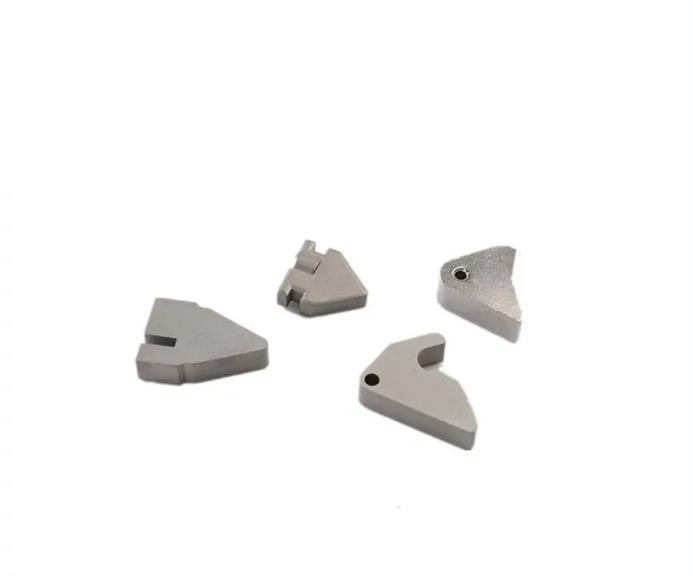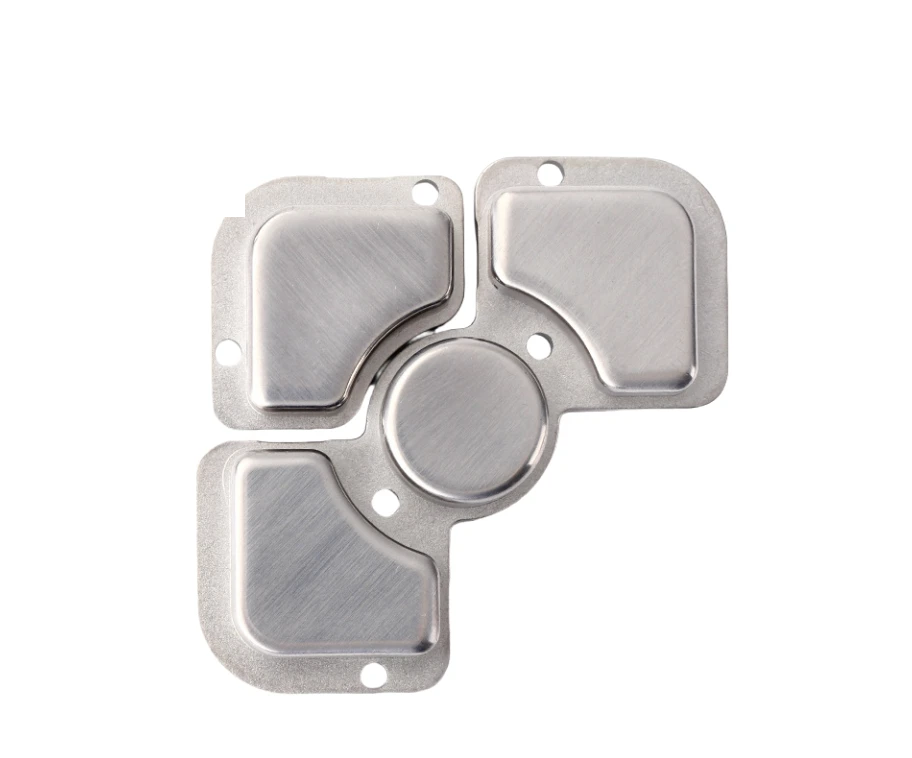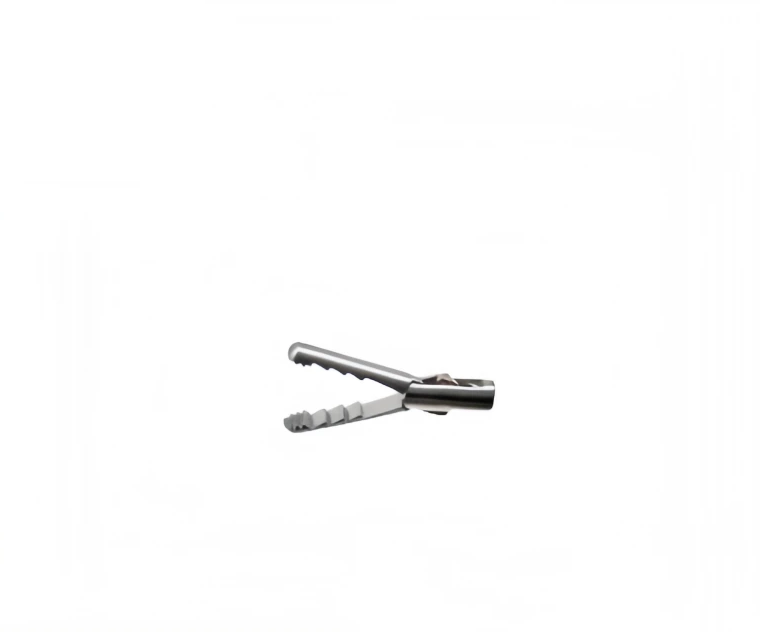
Integrated 3D geometry
Cams, links, small housings and mechanism parts with features that can be consolidated in a molded body.
SINTS evaluates MIM for compact, complex metal components where integrated features and repeat production can justify tooling. We review the complete route, from molded geometry through secondary finishing and agreed inspection.
Cams, links, small housings and mechanism parts with features that can be consolidated in a molded body.
A stable drawing and production forecast that allow tooling and validation costs to be compared with machining.
Critical bores, threads, datums and cosmetic surfaces identified for secondary control where required.
Confirm material, gate and parting strategy, wall transitions and tool assumptions.
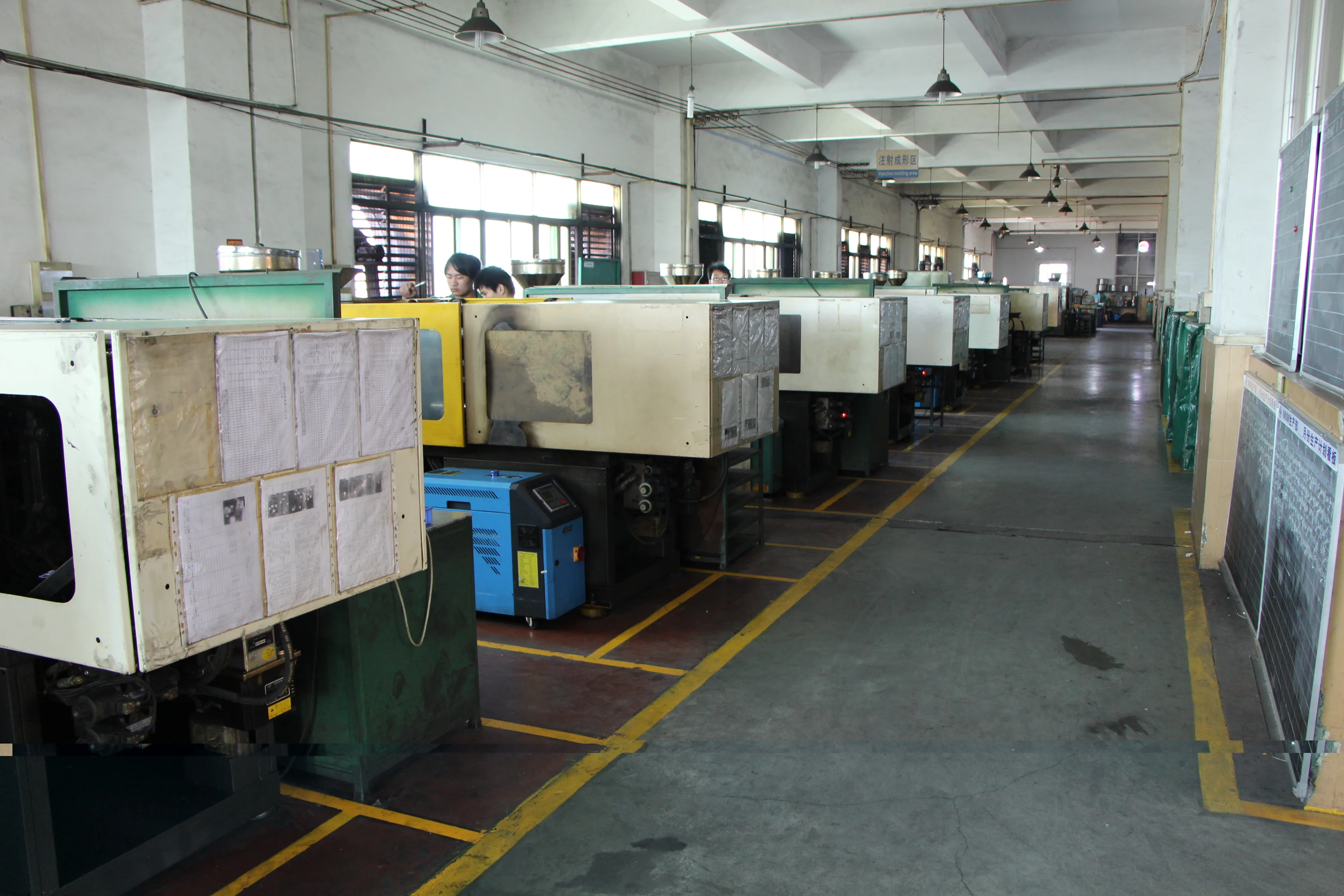
Form the powder-and-binder feedstock using tooling developed for the part.
Remove binder and sinter under the selected material and process conditions.
Complete agreed machining, heat treatment or surface operations, then inspect the final condition.
The SINTS material library documents stainless and low-alloy MIM references including 316L, 17-4PH, 420/410, 440C, MIM 4605 and MIM 4140. Select the exact grade and final condition from load, wear, corrosion and customer requirements; additional materials need project confirmation.
Heat treatment, sizing, machining, grinding and surface finishing are selected for the required features. Supporting operations may use in-house or qualified resources according to the program.
Review material references →Define datums, critical dimensions, material properties, cosmetic requirements and functional checks before samples are approved. Dimensional reports, material records, FAI and customer-required PPAP are planned according to the program.
SINTS holds ISO 9001 quality management system certification for the Zhongshan manufacturing scope and IATF 16949:2016 certification for the Zhongshan powder-metallurgy manufacturing scope. Review current certificates and project requirements during supplier qualification.
Quality system and documents →No. Compare geometry, material, volume, tooling and required finishing with machining or conventional PM. A simple or changing design may remain more practical on machining.
This is reviewed feature by feature from size, geometry, material and datums. Critical fits or surfaces may need sizing, machining or grinding; no universal tolerance is promised.
The stated certification applies to the Zhongshan powder-metallurgy manufacturing scope. Review current scope documents and define project inspection and approval requirements separately.
The drawing, alloy, tooling complexity, expected quantities, secondary operations and validation plan. These are confirmed during quotation rather than assigned one fixed threshold.
Include your 2D drawing and 3D model where available, material or property targets, sample and annual quantities, critical dimensions, finish, application and target timing. If a requirement is undecided, tell us what needs a recommendation.
Tooling, MOQ, delivery timing and final capability are confirmed for the specific drawing and program.