Gears, Bushings & Structural PM PartsBevel gearsPM route review

Bevel Gear

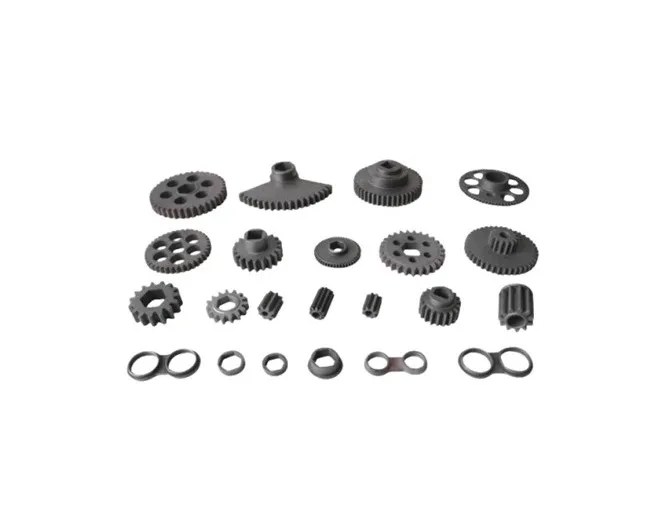
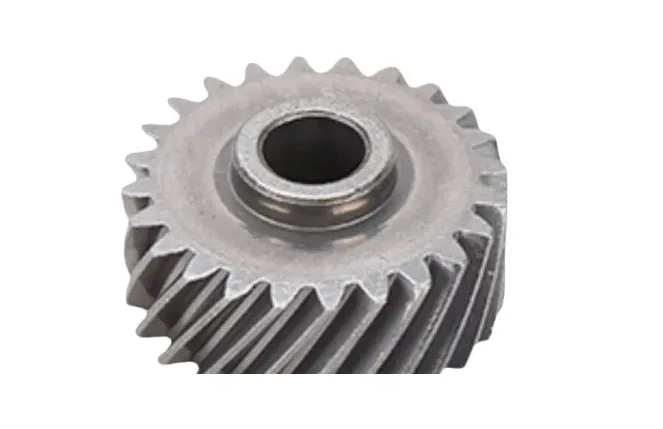
Bevel gear components for angled drive systems where tooth form, density, wear behavior, and repeat-volume cost need to be reviewed together.

SINTS supports these parts from customer drawings, helping buyers review tooth form, bore features, density, material, finish, inspection focus, and the right production route before quotation.

Bevel Gear
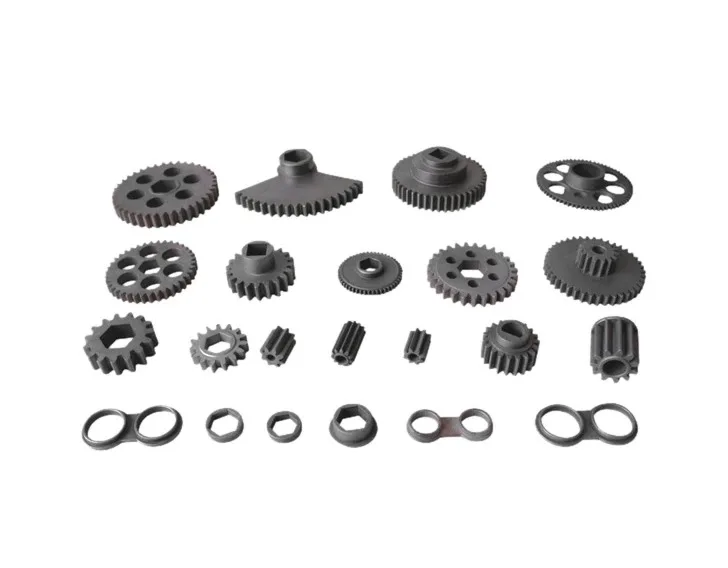
Bevel Gear for gear, bushing, structural, or compact mechanical assemblies. Final material, density, finish, tolerance, and route should follow the customer's drawing, load condition, and production volume.

Product overview

This page covers bevel gear for gear, bushing, structural PM, and compact mechanical programs. Buyers usually need more than a catalog name: they need a supplier who can review tooth geometry, bore requirements, wear surfaces, density targets, and secondary finishing before tooling or production.

For new OEM programs, SINTS reviews the drawing, annual quantity, load condition, lubrication or corrosion needs, and inspection focus so the route is matched to the part rather than chosen only by a process label.

Typical applications

  • angled drive assemblies
  • power tool gearboxes
  • small mechanical reducers
  • custom OEM gear sets

Materials, process, and finish

Typical materialsIron-based PM, stainless steel, alloy steel, or drawing-specified material
Process routePowder metallurgy route review for gear geometry, density, strength, and volume
Tolerance referenceISO 2768-mK reference or drawing requirement
Finish optionsOil impregnation, polishing, coating, blackening, or customer finish
Supply formatCustom OEM parts supplied from drawing, sample, or agreed specification.
PackagingProtective packaging can be reviewed for teeth, bores, polished surfaces, oil-impregnated parts, or coated components.

Why the process fits

Powder metallurgy can be a practical route for gears, bushings, and structural parts when repeat volume, material utilization, density targets, and cost control are important. Secondary sizing, machining, oil impregnation, coating, or polishing can be reviewed where functional surfaces require extra control.

MIM may also be reviewed for smaller, more complex stainless or alloy parts with fine features. The best route should follow the drawing, part size, tooth or bore geometry, strength target, finish requirement, and expected annual volume.

Project support

Useful RFQ details include 2D or 3D drawings, target material, density or hardness expectations, annual volume, finish requirement, operating load, tooth or bore requirements, lubrication needs, and packaging requirements.

SINTS can support manufacturability discussion, sample review, finishing review, inspection focus, and repeat-production planning for PM gear, bushing, and structural component programs.

Related PM products

RFQ Guidance

Useful RFQ details

Send the part drawing, material target, expected annual volume, finish requirement, and notes about tooth surfaces, bores, sliding areas, load direction, lubrication, or corrosion requirements. These details help SINTS review whether PM, MIM, or secondary machining support is the better path.