MIM Titanium Parts for OEM programs — drawing review, material selection, sampling, and repeat supply.
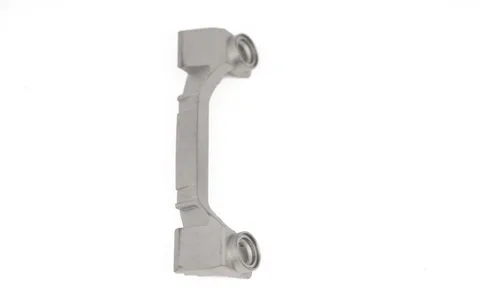
MIM Titanium Parts is a custom MIM and specialty metal component supplied by SINTS for OEM programs. For specialty OEM parts, SINTS reviews the drawing, alloy, geometry, critical tolerances, finish, annual volume, and application conditions before recommending MIM, powder metallurgy, machining, or a hybrid route.
SINTS supports each OEM component with manufacturability feedback, sample inspection, finishing review, and repeat-production planning before tooling or production starts.
Specialty OEM programs often involve non-standard alloys (titanium, tungsten, copper) or unique application requirements. SINTS supports custom development including material selection, process recommendation, and small-to-mid volume production. Drawing-based review is the standard workflow.
For mim titanium parts RFQs, SINTS can review drawings against process capability, flag potential surface or geometry adjustments, and provide first-article samples. Notes on the working surface, mating parts, wear points, and any visible or appearance-sensitive areas help align the process route from the start.
Share the drawing (step/IGES/PDF), target material, annual volume, and any finish, sterilization, or regulatory requirements. This helps us route the review to the right process engineering team, and get you a meaningful quote on the first pass.
Send Drawing for Review →